What corrosion under insulation is
Insulation keeps process heat or cold in, but it also hides the steel. When water gets into the insulation and stays there, it corrodes the surface beneath. Because the cladding still looks intact, the damage can go unnoticed until a leak, a failed inspection or a shutdown reveals it.
On carbon steel, CUI shows up as general and pitting corrosion. On stainless steel, chlorides carried in by water can cause stress corrosion cracking under the insulation.
How water gets in
- Damaged or poorly sealed cladding: rain, washdown water and sea spray get in at joints, supports and fittings.
- Condensation: on cold and sub-ambient lines, water vapour condenses on the cold surface if the vapour retarder fails.
- Temperature cycling: lines that start up, shut down or switch between hot and cold service draw moist air in and out.
- Insulation that holds water: once wet, some insulation keeps the water against the steel for a long time.
Which lines are most at risk
Carbon steel is most at risk when it runs between about −4 °C and 175 °C: warm enough for corrosion to be fast, but not hot enough to drive the water off. Lines that cycle in and out of that range, run intermittently or sit in humid, coastal or offshore sites are at particular risk.
Areas where water collects are the usual hot spots: low points, pipe supports, valves and flanges, and places where the insulation is penetrated or damaged.
How to prevent it
No single measure stops CUI. Good practice combines several:
- Coat the steel before insulating, so the metal has its own protection.
- Keep water out with well-designed and well-sealed cladding, and a sound vapour retarder on cold lines.
- Choose insulation that does not hold water, so that water that gets in can escape instead of staying against the steel.
- Inspect the hot spots regularly, and repair damaged cladding quickly.
The role of aerogel insulation
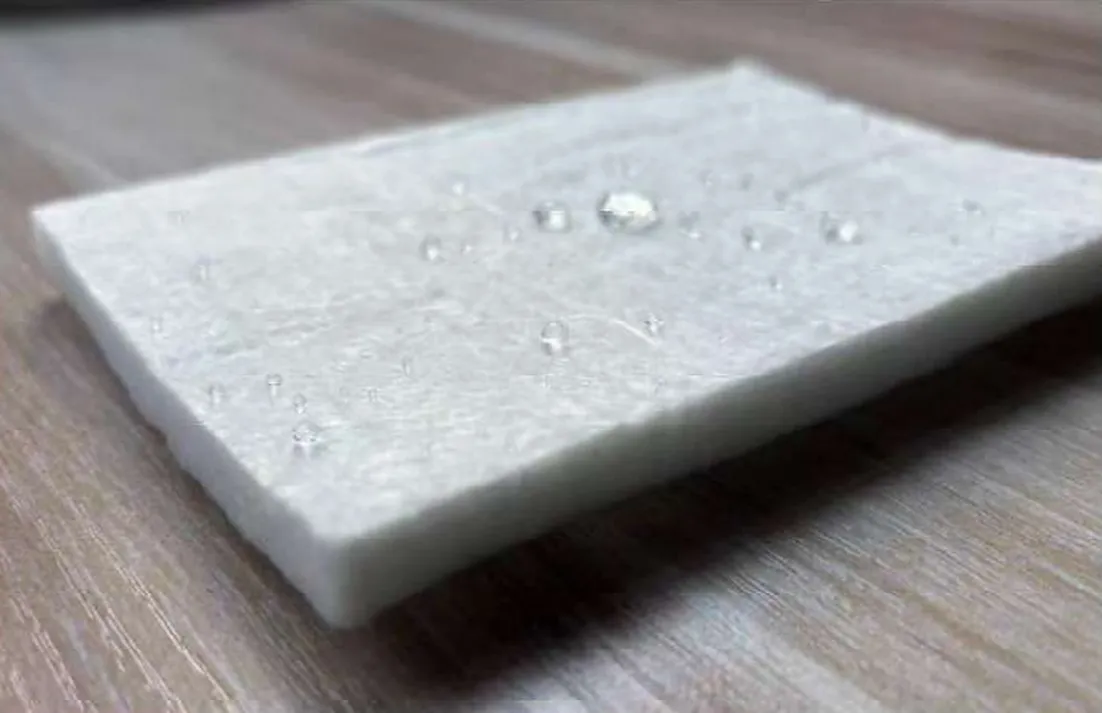
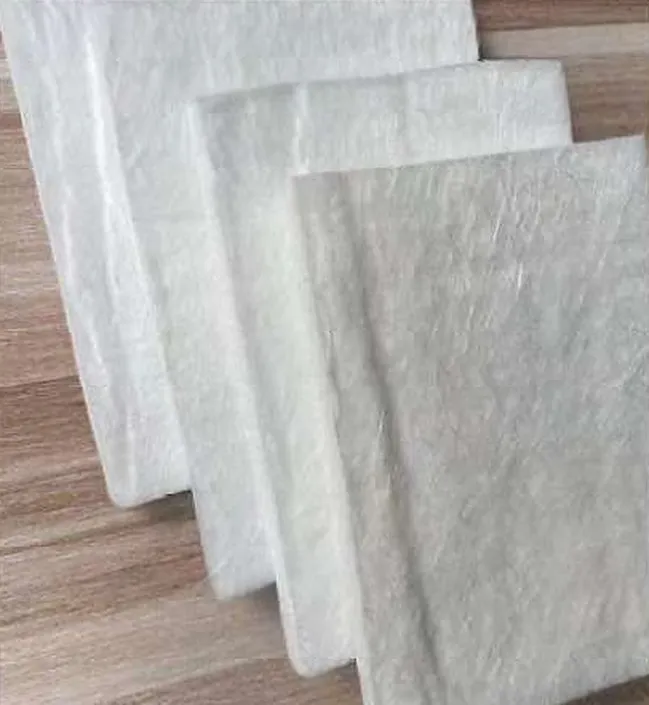
Silica aerogel blankets are hydrophobic and breathable: they repel liquid water but let water vapour escape. Water that gets past the cladding is not soaked up, and moisture can dry out rather than build up against the metal.
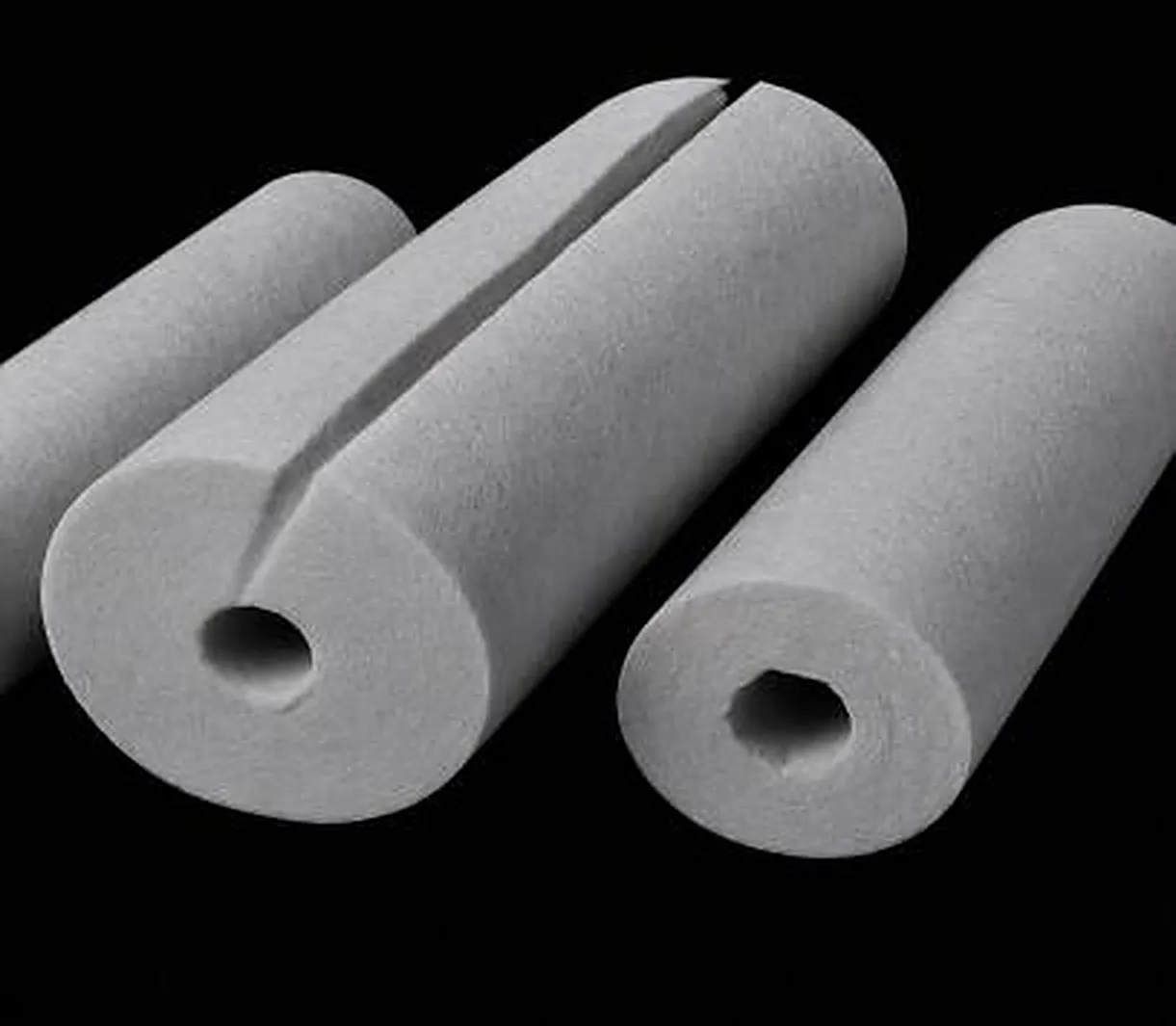
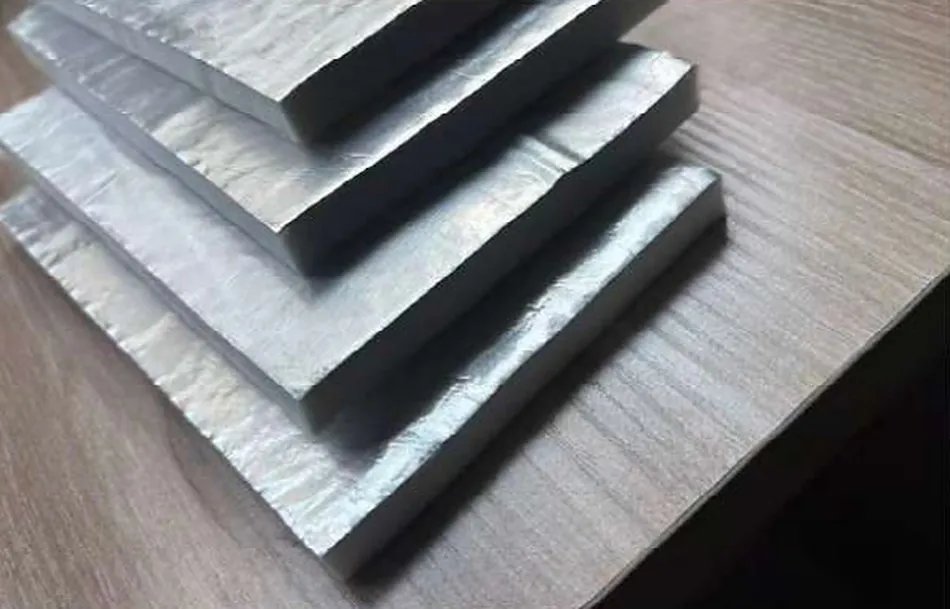
ORYZA SIL 650 is designed for this. Hydrophobicity, breathability, a thin profile, chemical resistance and durability keep water and corrosive substances away from the metal surface. Because a thinner layer does the same job, there is also less material around valves, flanges and supports, where CUI often starts.
For a comparison with fibrous insulation, see Aerogel vs mineral wool insulation.
Planning a new line or a repair
When insulation is opened for inspection or repair, it is a good moment to change to a system that resists CUI. Our engineers can help you choose the product, thickness and installation for your line: contact our team.
Common questions
What does CUI stand for?
CUI stands for corrosion under insulation: corrosion of pipes, vessels and equipment that takes place beneath their insulation.
Why is CUI hard to detect?
The insulation and cladding hide the steel, so corrosion can progress for a long time without any sign on the outside. Finding it often means removing insulation at the most likely hot spots.
Can insulation alone prevent CUI?
No. Insulation that repels water lowers the risk, but it works best together with a coating on the steel, sound cladding and regular inspection.
Does CUI affect cold lines?
Yes. On cold and cryogenic lines, condensation can wet the steel if the vapour retarder fails, and lines that warm up during shutdowns are especially exposed.