Two different materials
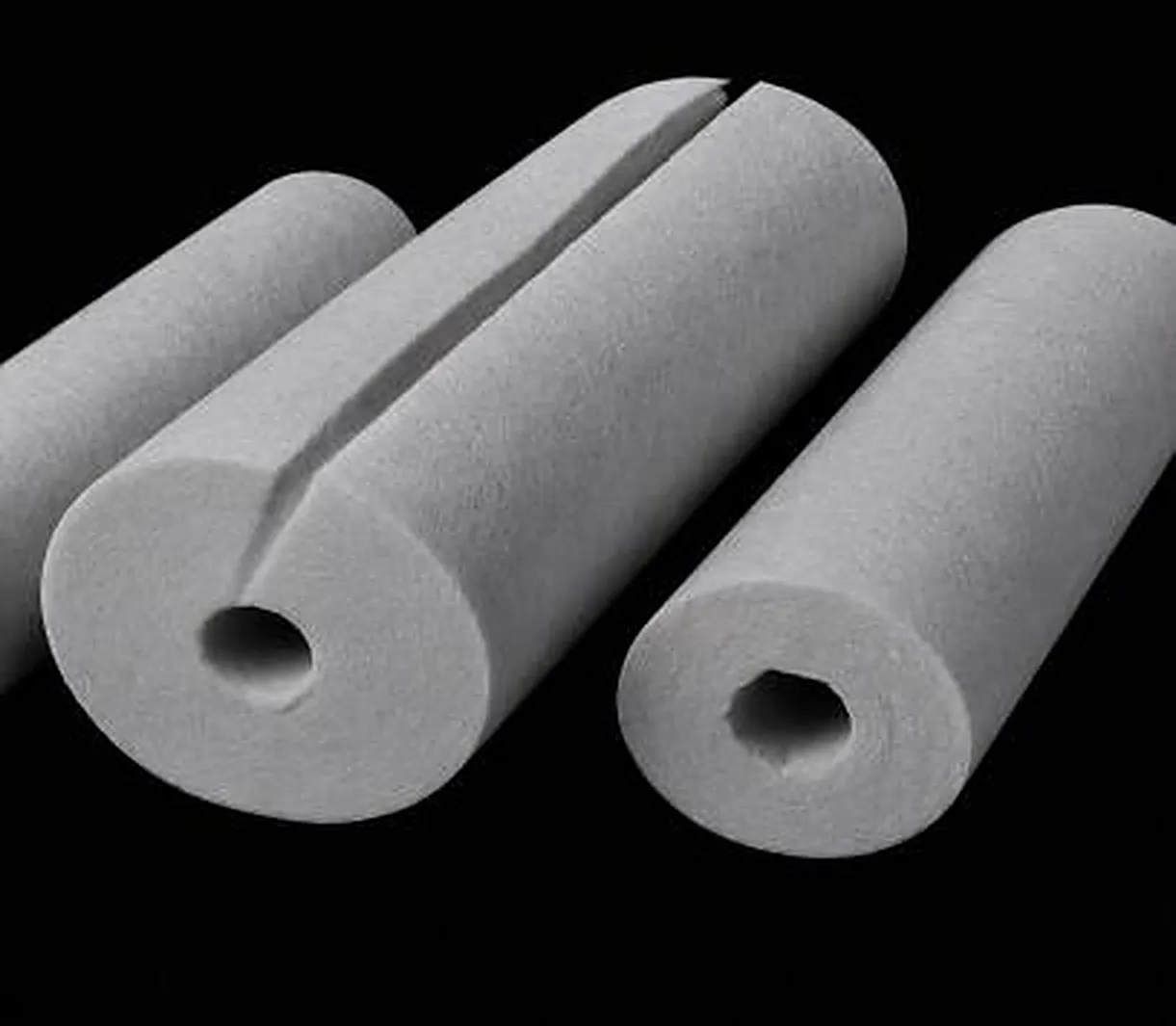
Mineral wool is a family of fibrous insulation made by melting rock, slag or glass and spinning it into fine fibres, which are bonded into slabs, pipe sections and mats. It insulates by trapping air between the fibres.
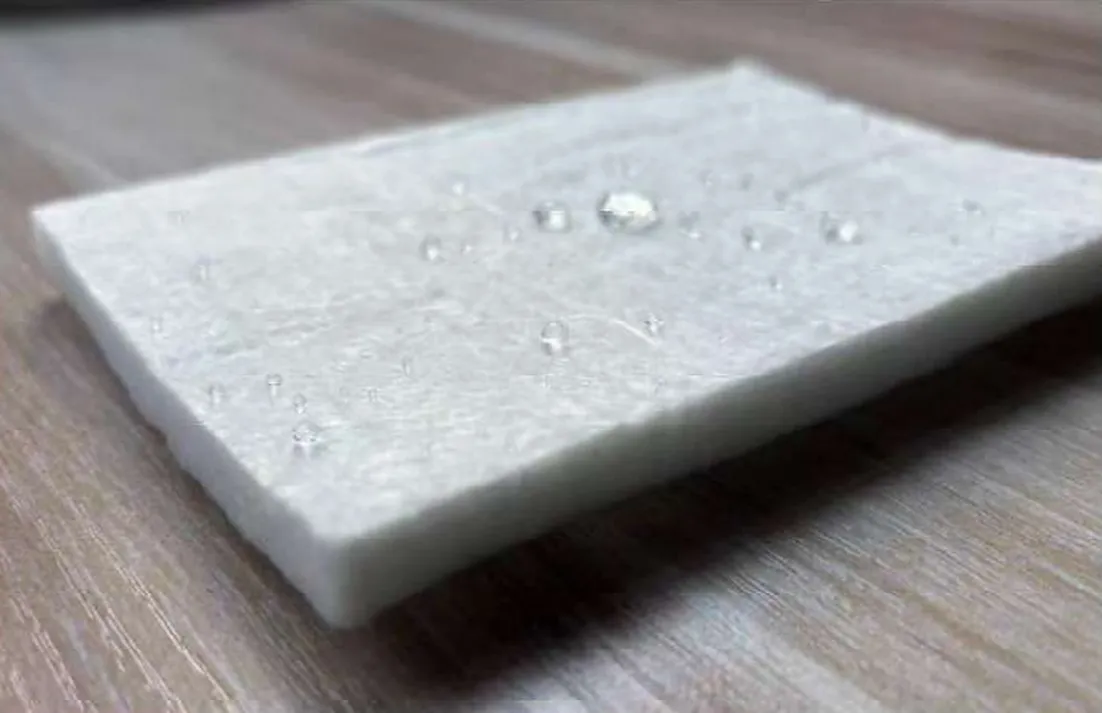
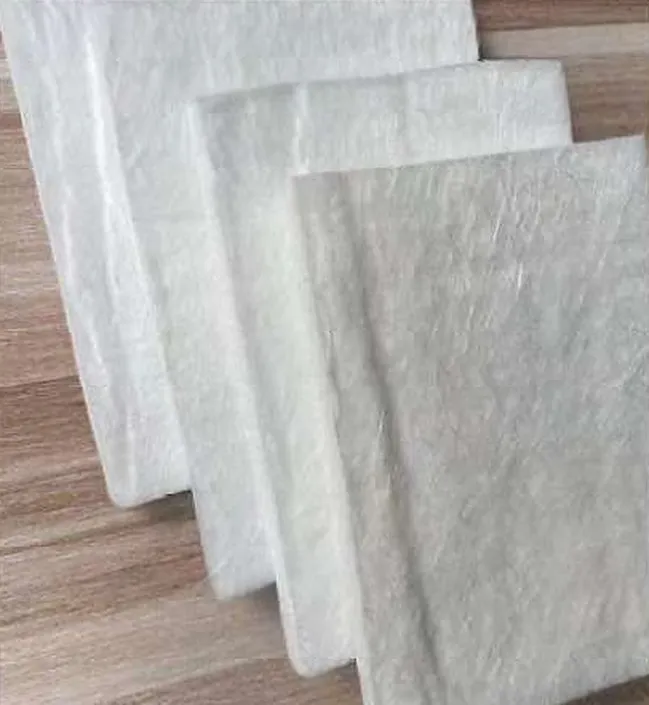
An aerogel blanket is a fibre mat filled with silica aerogel, a solid whose pores are only nanometres wide. The pores are too small for the air inside to carry heat well, so the blanket insulates far better for each millimetre of thickness. What is aerogel? explains how it works.
At a glance
| Property | Aerogel blanket | Mineral wool |
|---|---|---|
| Insulation per thickness | Very high: a thinner layer does the same job | Lower: needs a thicker layer |
| Water | Hydrophobic: repels liquid water | Absorbs water and loses performance when wet |
| Corrosion under insulation | Keeps water away from the steel | Wet insulation can hold water against the steel |
| Fire | Silica aerogel does not burn; ORYZA SIL 650 and BGT are Euroclass A1 | Stone wool is non-combustible |
| Cold and cryogenic service | Yes, with a vapour retarder | Rarely used |
| Handling | Light and flexible | Easy to cut; loose fibres can irritate skin |
| Material cost | Higher per square metre | Lower per square metre |
Thickness and space
Because aerogel insulates better for its thickness, a thinner layer does the same job. On crowded pipe racks, around valves and flanges, and in building walls, that saves space, weight and cladding. Mineral wool needs a thicker layer for the same result, which is fine where there is room for it.
Water and corrosion under insulation
Corrosion under insulation starts when water gets into insulation and stays against the steel. Mineral wool absorbs water when it gets wet, loses much of its insulating value and can keep the steel wet for a long time, so it relies on cladding and coatings to stay dry.
Silica aerogel blankets are hydrophobic and breathable: they repel liquid water but let water vapour escape, so the insulation keeps working and moisture does not build up against the metal. That is why aerogel is often chosen for lines where corrosion under insulation is a known risk.
Fire, heat and cold
Stone wool is non-combustible and widely used for fire protection in buildings and plants. Silica aerogel does not burn either, but the fire performance of a blanket also depends on its fibres and additives: ORYZA SIL 650 and BGT are Euroclass A1 non-combustible.
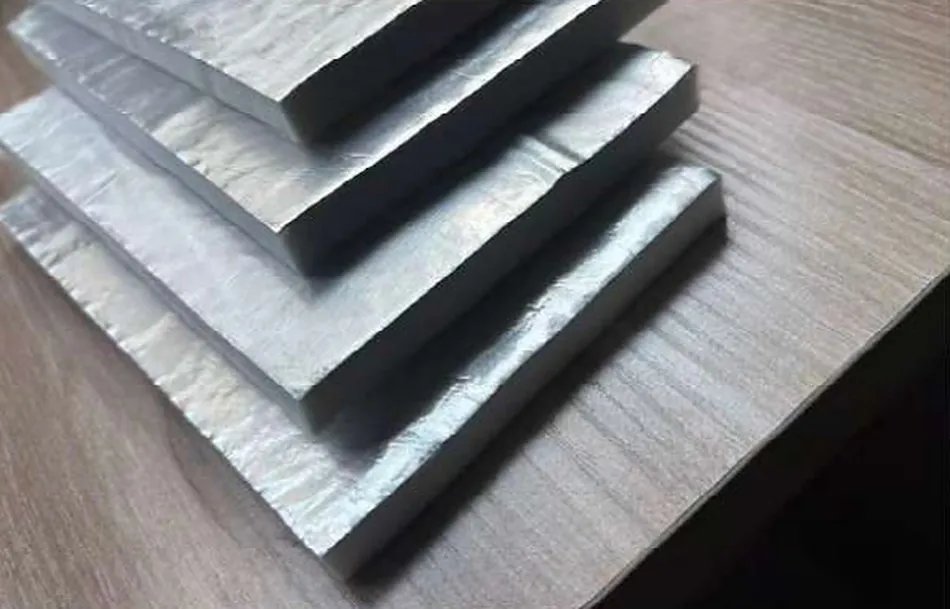
Both materials serve hot equipment. On cold and cryogenic lines the difference is larger: fibrous mineral wool lets moisture reach the cold surface, where it condenses or freezes, so it is rarely used there. Aerogel blankets with a vapour retarder, such as ORYZA LTG, are built for LNG and other cryogenic service.
Handling, lifetime and cost
Aerogel blankets are light and flexible, and wrap around complex shapes with less cutting and waste. Mineral wool is also easy to cut, though its loose fibres can irritate the skin, so installers cover up.
Mineral wool costs less per square metre of material. Aerogel costs more, but a thinner layer that keeps working when wet and is replaced less often can lower the total cost where space, labour or corrosion repairs are expensive.
Which should you choose?
- Choose mineral wool where space is not limited, the line stays dry, the cost per square metre matters most, or sound absorption is needed.
- Choose aerogel where space or weight is tight, corrosion under insulation is a risk, the line runs cold or cryogenic, or the insulation must keep working in wet conditions.
The two are often combined: mineral wool on long, dry runs, and aerogel in congested areas, on cold lines and at corrosion hot spots. Our engineers can help you decide for your line: contact our team.
Common questions
Is aerogel better than mineral wool?
For insulation per millimetre, resistance to water and cold service, yes. Mineral wool is cheaper per square metre and absorbs sound well, so it remains a good choice where space is not limited and the insulation stays dry.
Can aerogel replace mineral wool on an existing line?
Often, yes. Because a thinner layer does the same job, aerogel can fit where the old insulation was too thick or kept getting wet. Our engineers check the thickness for your service conditions.
Is mineral wool waterproof?
No. Some mineral wool products are treated to repel water, but once water gets in, the fibres hold it and the insulation loses much of its performance until it dries out.
Are both non-combustible?
Stone wool is non-combustible. Silica aerogel does not burn, and ORYZA SIL 650 and BGT are rated Euroclass A1 non-combustible.