What aerogel is
A gel is a liquid held in a fine solid network, like the water in a jelly. If the liquid simply evaporates, the network collapses as it dries. Aerogel is what remains when the liquid is removed without collapsing it: the same solid network, now filled with air.
In silica aerogel the network is made of silica nanoparticles linked into chains, the same compound as sand and glass. Between the chains are pores so small that air molecules hit the solid walls more often than each other. The result is an open, rigid structure in which air makes up most of the volume.
How aerogel is made
Silica aerogel is made in three steps. First, a silica precursor reacts in a liquid to form a wet gel, a process called sol-gel chemistry. The gel is then aged to strengthen its network. Finally, the liquid is removed by drying, either supercritically, so that no surface tension crushes the pores, or at ambient pressure after the pore surfaces have been treated.
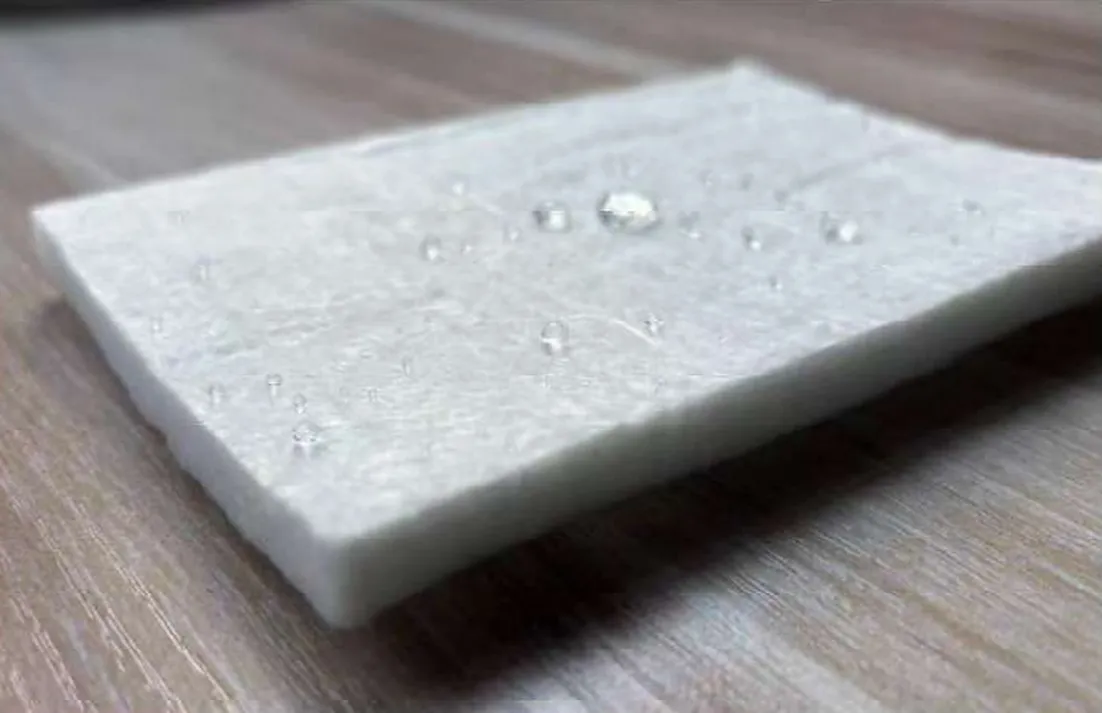
For industrial insulation, the gel is formed inside a fibre blanket, so the finished product combines the insulation of aerogel with the strength and flexibility of the fibres. The surface treatment also makes the aerogel hydrophobic: it repels liquid water.
Why aerogel insulates so well
Heat crosses insulation by conduction through the solid, by conduction and convection through the gas in it, and by radiation. Aerogel works against the first two. Its solid network is thin and winding, so heat has a long path through it. Its pores are smaller than the distance air molecules travel between collisions, so the air inside can neither carry heat well nor circulate.
That is why aerogel blankets reach very low thermal conductivity: ORYZA LTG measures 0.012 W/m·K below −129 °C. In practice, a thinner layer of insulation does the same job, which saves space on crowded pipe racks and in building walls.
The forms aerogel comes in
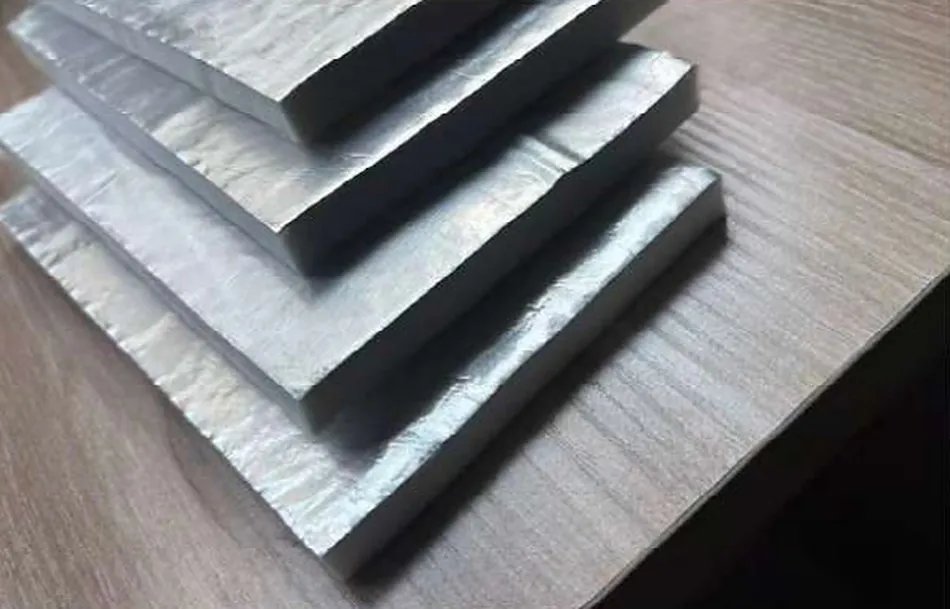
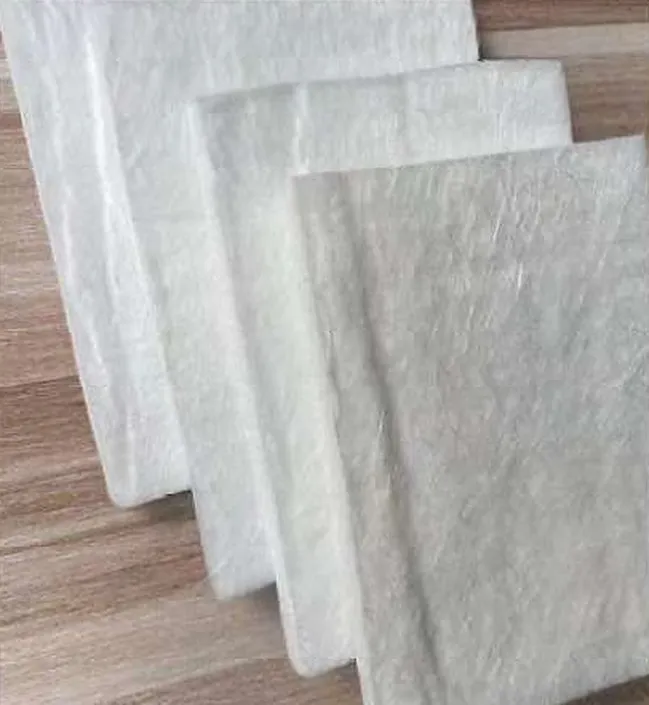
- Blankets: aerogel formed inside a flexible fibre mat, cut and wrapped around pipes, vessels and equipment. This is the most common form in industry.
- Panels: blankets bonded into boards for walls, roofs and facades.
- Particles: granules and powders used as fillers in plasters, paints and composites.
- Coatings: aerogel particles carried in a paint-like binder, applied where a blanket cannot be wrapped.
- Monoliths: solid, translucent blocks, used mainly in research and space science.
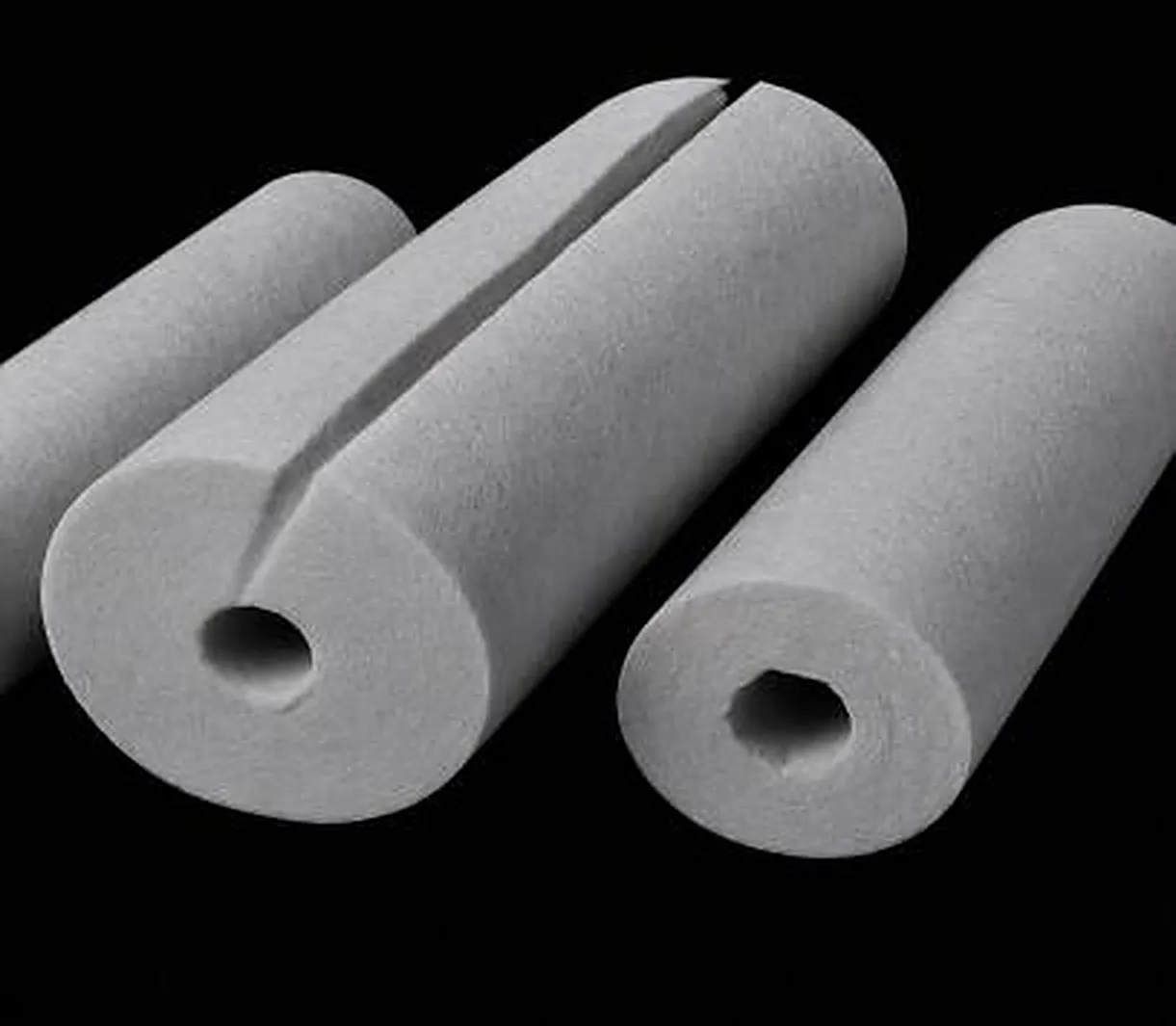
Bronx Aerogel supplies aerogel blankets, prefabricated pipe insulation and building panels under the ORYZA brand. Aerogel coatings are made on customer request: contact our team to discuss your project.
Where aerogel is used
Aerogel is used wherever insulation must be thin, light or reliable in harsh conditions:
- Oil, gas and chemical plants: hot process lines and vessels, with protection against corrosion under insulation.
- LNG and cryogenic service: pipelines and tanks that run far below zero.
- Power generation and district energy: steam lines and long distribution runs.
- Buildings: walls, facades and retrofits where space is tight and fire performance matters.
- Electric vehicles: thermal barriers in battery packs.
- Rail and marine: carriages, FPSO topsides and other offshore equipment.
Handling and safety
Silica aerogel is amorphous silica, not the crystalline silica linked to lung disease. Like other insulation, blankets can release some dust when they are cut, so installers wear gloves, eye protection and a dust mask, following the safety datasheet.
Aerogel blankets are light and flexible, and because they are thin, less material is cut, carried and wasted. ORYZA blankets are low dust, with no crystalline silica content in residual dust. Their safety datasheets are shared on request.
Common questions
Is aerogel the lightest solid?
Aerogels are among the lightest solid materials ever made, because most of their volume is air. Insulation blankets weigh more than pure aerogel, since they include the fibre mat, but they are still light and easy to handle.
Is aerogel fragile?
Pure aerogel blocks are brittle and can crack. Aerogel blankets are not: the fibre mat holds the aerogel, so they bend, wrap and resist breakage during handling.
Does aerogel absorb water?
Silica aerogel for insulation is made hydrophobic. It repels liquid water but lets water vapour pass, so it keeps insulating in wet conditions and helps keep corrosion off the steel.
Does aerogel burn?
Silica aerogel itself does not burn. The fire performance of a product also depends on its fibres and additives: ORYZA SIL 650 and BGT are Euroclass A1 non-combustible.
What temperatures can aerogel insulation handle?
Silica aerogel blankets cover a very wide range, from cryogenic service to several hundred degrees. In the ORYZA range, LTG serves below −129 °C and HCF up to 700 °C.