Why cryogenic lines are hard to insulate
Natural gas turns liquid at around −162 °C, which shrinks its volume about 600 times so that it can be shipped and stored.
At that temperature the line is far colder than the air around it. Heat flows in through any weak point and boils off some of the liquid. Water vapour in the air is drawn towards the cold surface, where it condenses and freezes. Once ice forms inside the insulation, it insulates less and less, and the problem grows.
What cryogenic insulation has to do
- Keep heat out: low thermal conductivity limits boil-off and keeps the product cold.
- Keep moisture out: a vapour retarder stops water vapour reaching the cold surface, where it would condense and freeze.
- Protect the steel: water trapped under insulation corrodes the pipe when the line warms up or is shut down.
- Fit the space: pipe racks, modules and FLNG topsides leave little room for thick insulation.
- Cope with spills and fire: insulation near LNG may need to withstand cryogenic spills and fire.
How aerogel blankets help
Aerogel insulates through its nano-sized pores, which hold air still so that it cannot carry heat. As the temperature drops, its thermal conductivity keeps falling, so it performs best where cold service needs it most.
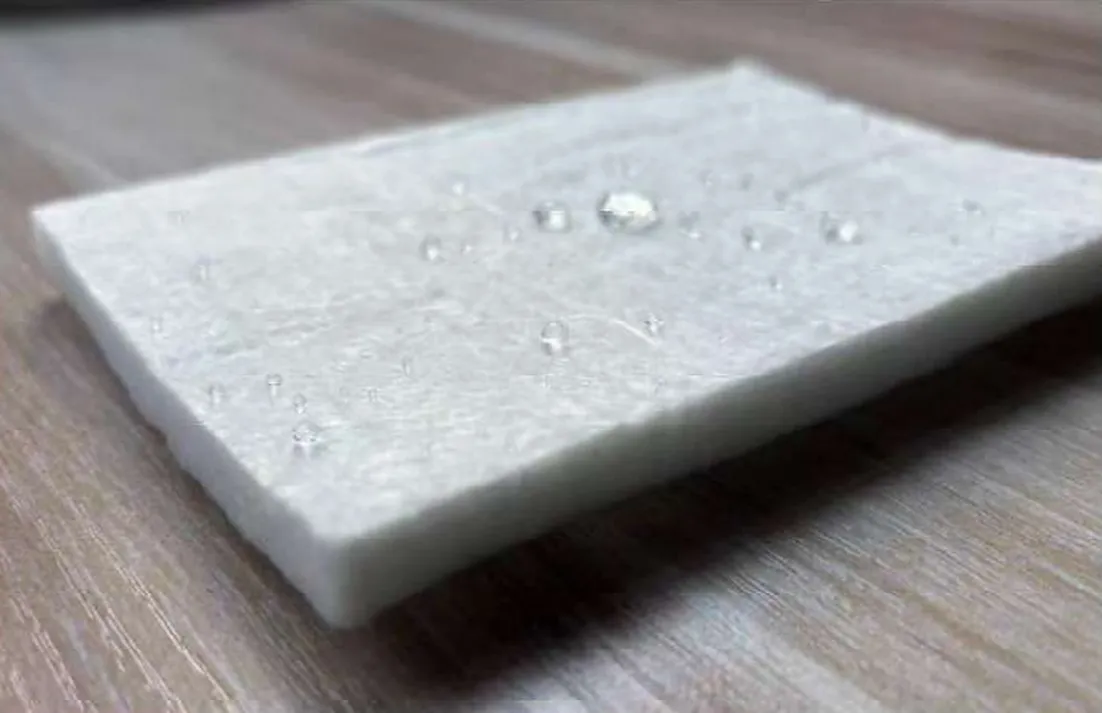
Because it insulates well for its thickness, a thinner system does the job, which saves space and weight on crowded racks and offshore. Aerogel blankets are also hydrophobic, so water that does reach them is repelled rather than soaked up.
What is aerogel? explains how it works.
Vapour control
On cold lines, the vapour retarder matters as much as the insulation. It is often a separate layer, sealed by hand at every joint, and any gap lets moisture in.
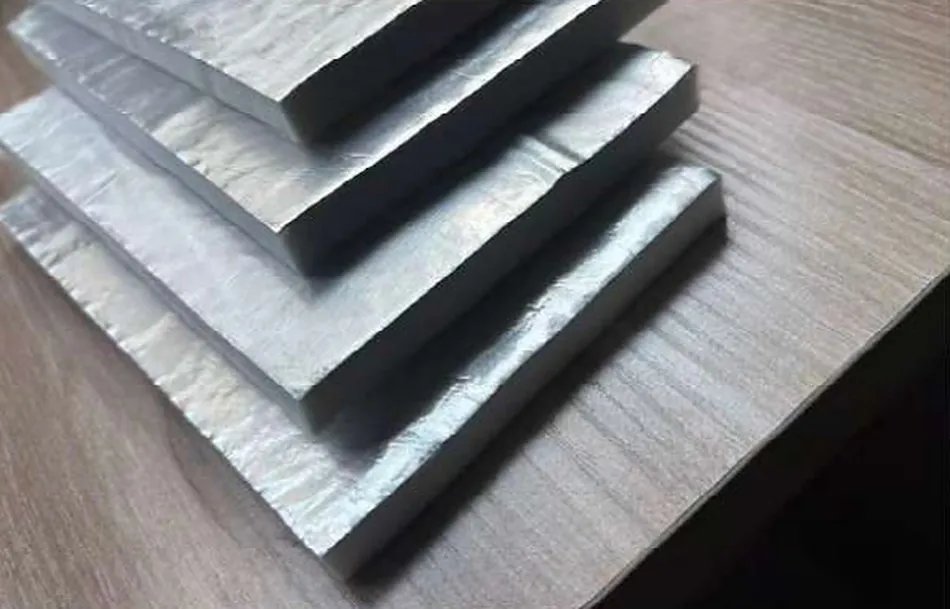
ORYZA LTG has its vapour retarder built into the blanket, with a water vapour permeance of 0.00 perms to ASTM E96. That removes the separate barrier layer and simplifies installation.
Where aerogel is used in LNG
- LNG and FLNG pipelines, on shore and offshore.
- Cryogenic tanks and equipment.
- Cold chain, transport and storage.
- Sub-ambient lines, such as chilled water and refrigeration, where condensation is the main concern.
What to check when specifying
- Service temperatures: the lowest operating temperature and the highest, including warm-up and defrost. ORYZA LTG serves below −129 °C, with a maximum use temperature of 125 °C.
- Thickness: set by heat gain, boil-off limits and condensation control on the outer surface.
- Vapour control: how the vapour retarder is formed and sealed at joints, supports and fittings.
- Spill and fire protection: whether the area needs protection against cryogenic spills or fire.
- Installation: layers, joints and cladding that suit the line and its movement.
Our engineers can help with thickness, vapour control and installation for your line conditions: contact our team.
Common questions
What temperature is LNG?
LNG is stored and carried at around −162 °C, the temperature at which natural gas turns liquid at atmospheric pressure.
Why do cold lines need a vapour retarder?
Warm, humid air drives water vapour towards the cold pipe. Without a vapour retarder, it condenses and freezes inside the insulation, which then insulates less and can corrode the steel.
Does aerogel get brittle in the cold?
Aerogel blankets stay flexible at cryogenic temperatures, because the fibre mat holds the aerogel. ORYZA LTG is light and low in dust, so it is quick to cut and fit on complex cryogenic geometry.
Is aerogel used offshore?
Yes. Its thin profile and low weight suit FLNG and other offshore installations, where space and weight are limited.